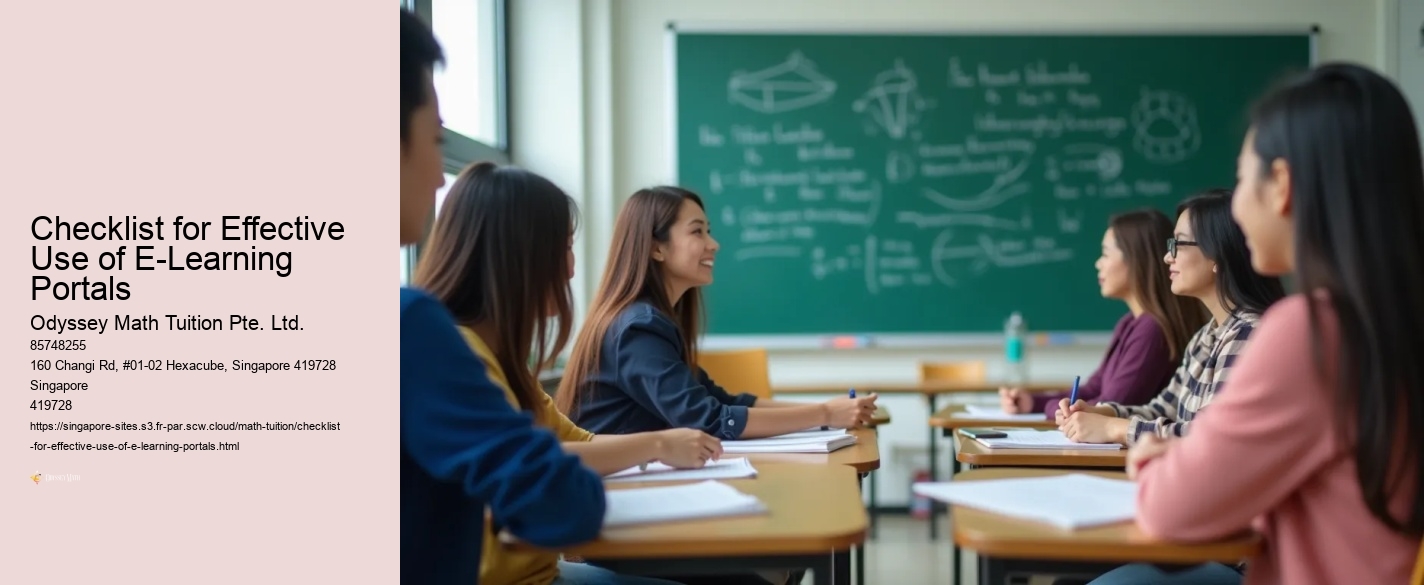
Imagine a bustling tuition center in Singapore, where the air buzzes with anticipation. Students file in, clutching their notes, ready to tackle the intricacies of calculus or the nuances of Shakespeare. Beyond the lessons, there's a crucial element that often defines their success: feedback sessions. In a country where tuition is not just a supplement but a cornerstone of academic achievement, these sessions are pivotal. They transform raw knowledge into polished understanding, much like a sculptor chiseling a block of marble into a masterpiece.

Feedback in tuition is akin to a compass guiding students through the dense forest of academia. It helps them identify strengths and weaknesses, offering a roadmap for improvement. But what makes feedback effective? It's a blend of timeliness, specificity, and constructiveness. Research shows that immediate feedback reinforces learning, while specific comments help students understand exactly what needs improvement. Constructive feedback encourages a growth mindset, helping students view challenges as opportunities rather than obstacles.


Assessment is the silent partner in the feedback process. It provides the data needed to tailor feedback effectively. In Singapore's tuition landscape, assessments are not just tests; they're diagnostic tools that help pinpoint learning gaps. Think of them as a GPS system that recalibrates the learning journey, ensuring students stay on the path to success.

With the rise of digital platforms, feedback in tuition has entered a new era. Online tools now enable real-time feedback, where students can receive instant insights into their performance. This immediacy not only enhances learning but also keeps students engaged. Imagine a virtual classroom where a student solves an equation, and within moments, the system provides detailed feedback on their approach. It's like having a personal tutor available 24/7, guiding them through every step of their educational journey.
Within the Singaporean competitive learning scene, where intellectual proficiency stands as greatly appreciated, family units commonly prioritize supplementary help for fundamental topics. A large number of guardians in Singapore remain progressively looking for successful math tuition options so as to assist these kids build robust foundational competencies plus reach academic excellence. That development shows this rising need for tailored initiatives designed to align to this local program along with prepare youngsters ahead of key tests like a PSLE test and O-Level examinations.. As we look to the future, the role of feedback in tuition will continue to evolve. What if feedback could be personalized to such an extent that it adapts to each student's learning style in real-time? The possibilities are endless, and as technology advances, so too will the methods of delivering effective feedback. For now, the focus remains on creating a supportive environment where students can thrive, armed with the insights and encouragement they need to reach their full potential.
In the end, feedback sessions are more than just a routine part of tuition; they're a transformative experience. They empower students to take charge of their learning, turning potential into achievement. As Singapore's education system continues to set high standards, effective feedback remains an invaluable tool, sculpting the minds of tomorrow's leaders. So, the next time you walk past a tuition center, remember: inside, futures are being shaped, one feedback session at a time.
Conclude the session by setting actionable next steps to guide the student's progress. Clearly defined actions help students focus their efforts and track improvement over time. This approach ensures that feedback sessions lead to tangible outcomes and continuous development.
Employ constructive feedback techniques that highlight both strengths and areas for improvement. This balanced approach helps maintain student motivation and encourages continuous learning. Provide specific examples to illustrate points, making it easier for students to understand and apply the feedback.
Encourage students to reflect on the feedback received and consider how it applies to their learning journey. Reflection helps students internalize feedback and develop self-assessment skills. It also promotes a deeper understanding of the subject matter and fosters independent learning.