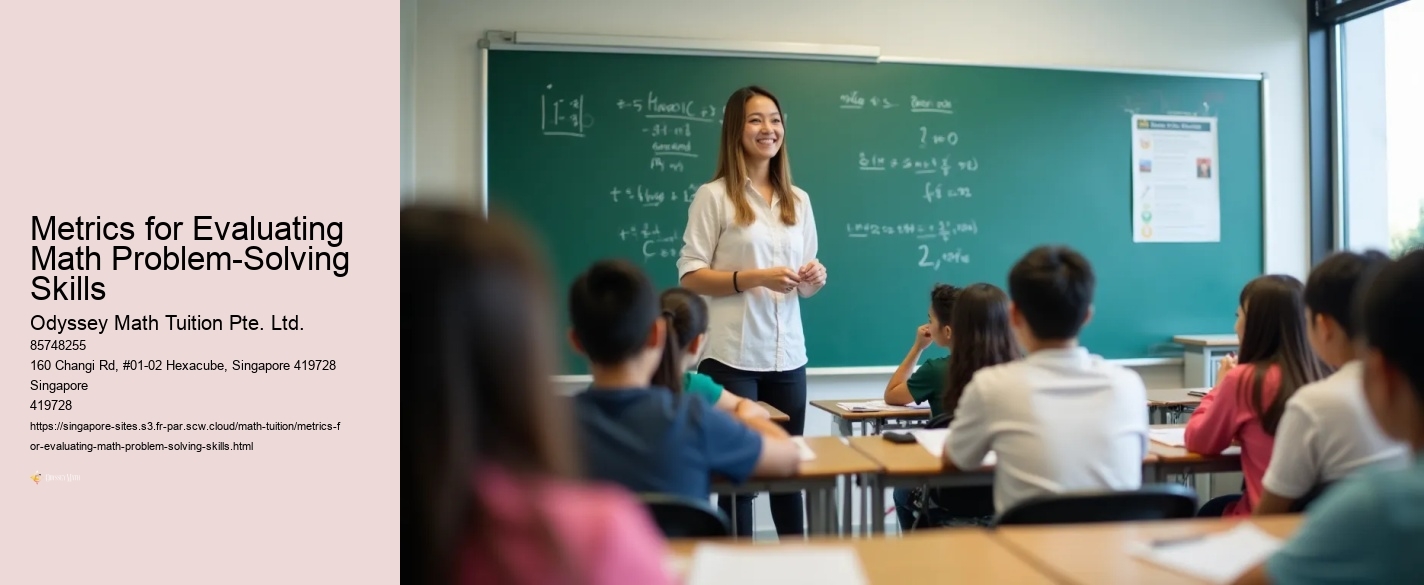
Metrics for Evaluating Tuition Centre Performance

Metrics for Evaluating Tuition Centre Performance

Introduction to Tuition in Singapore

Imagine a bustling classroom in Singapore, where the hum of whispered equations and the scratching of pencils meet the attentive gaze of eager students. This scene, replicated across the island nation, captures the essence of a cultural phenomenon deeply embedded in the fabric of Singaporean society: tuition. Within Singapore's rigorous learning environment, where scholarly success stands as deeply appreciated, households frequently emphasize further aid regarding core topics. Numerous moms and dads in Singapore are steadily seeking effective math tuition choices to help the young ones create solid fundamental competencies and achieve educational excellence. That pattern demonstrates this rising demand towards specialized initiatives designed to correspond in line with this local syllabus as well as prepare learners in preparation for important assessments such as a PSLE and O-Level examinations.. In a country renowned for its rigorous education system, tuition serves as a critical support structure, helping students navigate the demanding academic landscape.

The Cultural Importance of Tuition in Singapore

Tuition in Singapore is not merely an educational supplement; it's a rite of passage. With parents investing over $1.8 billion in 2023 alone, the commitment to private education reflects the high value placed on academic excellence. But why this fervent pursuit of extra lessons? In a society where national examinations such as the PSLE, O-Levels, and A-Levels serve as gateways to future opportunities, tuition becomes a strategic tool for success. This investment in education is akin to a gardener nurturing a plant, ensuring it receives the right nutrients to thrive.

  • Singapore was ranked among the top in the world for mathematics and science in the PISA 2018 study, highlighting the effectiveness of its education system.

Origins and Evolution

The roots of tuition in Singapore can be traced back to the nation's early years when educational resources were scarce. Parents sought private tutors to bridge gaps, a practice that evolved into today's structured tuition centers. These centers have become sanctuaries of learning, offering tailored instruction that aligns closely with school curricula. Here, students engage in collaborative learning, review past examination papers, and receive targeted support, much like athletes in a training camp honing their skills for the big game.

  • The first tuition centers in Singapore began appearing in the 1980s, responding to the growing demand for additional academic support.

Key Developments and Current Applications

In recent years, the landscape of tuition has transformed dramatically. The advent of technology has introduced online platforms, expanding access and flexibility for students. Virtual classrooms have become commonplace, allowing learners to connect with expert tutors from the comfort of their homes. This shift is akin to a library that never closes, offering endless resources and support at one's fingertips.

Moreover, tuition centers have diversified their offerings, incorporating holistic approaches that focus not only on academics but also on building essential skills such as critical thinking and creativity. This evolution reflects a broader understanding of education, where success is not measured solely by grades but by the ability to adapt and innovate in a dynamic world.

  • Online tuition platforms have seen a surge in popularity, especially during the COVID-19 pandemic, as they provided a safe and effective way to continue learning.

Challenges and Innovations

Despite its widespread acceptance, tuition in Singapore faces its share of challenges. The pressure to excel can lead to stress and burnout among students, raising questions about the sustainability of such an intense educational approach. However, innovative solutions are emerging. Some tuition centers are adopting mindfulness practices and stress management workshops, helping students maintain a healthy balance between academic pursuits and personal well-being.

Additionally, the integration of artificial intelligence in tuition offers promising possibilities. AI-driven platforms can provide personalized learning experiences, adapting to each student's pace and style. Imagine a tutor who knows your strengths and weaknesses, guiding you with precision and empathy—this is the future of tuition, where technology and human touch converge.

Future Outlook

The journey of tuition in Singapore is far from over. As the education landscape continues to evolve, so too will the role of tuition. What if tuition centers became hubs of innovation, fostering not just academic excellence but also nurturing the leaders and thinkers of tomorrow? The potential is immense, and the path forward invites us to rethink and redefine what it means to educate and inspire.

In this vibrant tapestry of learning, tuition remains a vital thread, weaving together the aspirations of students and the hopes of a nation. As we look to the future, the story of tuition in Singapore reminds us of the power of education to transform lives, one lesson at a time.

Teacher Qualifications

The qualifications and experience of teachers are essential metrics for evaluating a tuition centre. Highly qualified teachers with relevant experience contribute positively to the learning environment. Centres with well-credentialed staff often have better student outcomes and reputations.

Academic Improvement

Academic improvement is gauged by comparing students' grades before and after attending the tuition centre. A successful centre will show a marked increase in students' academic performance. This metric is crucial for demonstrating the effectiveness of teaching methods employed.

Cultural Relevance of Tuition

In Singapore, tuition centres play a significant cultural role, supplementing formal education. They are seen as necessary for academic success in a competitive environment. Understanding this cultural importance helps centres align their services with community expectations and values.

Retention Rates

Retention rates reflect how well a tuition centre can keep its students over time. High retention rates suggest that students and parents are satisfied with the services offered. This metric indicates the centre's ability to foster a supportive and engaging learning atmosphere.

Student Satisfaction Rates

Measuring student satisfaction involves collecting feedback on teaching quality, course material, and overall experience. High satisfaction rates indicate that students are happy with the learning environment and resources provided. Regular surveys and feedback forms help in maintaining and improving these rates.

Role of Academic Performance Metrics

A bustling tuition center in Singapore

Imagine walking through the lively streets of Singapore, where every corner resonates with the dreams of parents and students alike. In a nation where education is a national passion, tuition centers have become the unsung champions of academic achievement. But how do we assess the effectiveness of these centers? What metrics ensure they fulfill their promise of academic excellence?

Unveiling the Cultural Importance of Tuition in Singapore

Tuition in Singapore is more than just additional education; it's a cultural phenomenon. With an investment of over $1.8 billion in 2023, families are not just paying for extra classes—they're investing in a dream. A dream where their children excel in national examinations like the PSLE, O-Levels, or A-Levels. But what drives this enthusiasm?

In homes across the island, discussions about education often revolve around one question: "Is my child receiving enough support?" This question motivates parents to seek tuition as a safety net, ensuring their children have every opportunity to succeed. It's a timeless tale, where parents, like knights in shining armor, equip their children with the best education money can buy.

Metrics That Matter: Evaluating Tuition Centre Performance

To truly understand the impact of tuition centers, we must examine specific metrics. These are the guiding stars that illuminate the path to academic success:

1. Test Scores and Student Outcomes

At the heart of tuition evaluation lies the most tangible metric: test scores. Like a compass guiding a ship, these scores provide a clear direction of a student's academic journey. Tuition centers often track improvements in student performance, offering parents a quantifiable measure of success.

But numbers alone don't tell the whole story. Consider the story of a tuition center in Jurong, where a struggling student transformed into a top scorer. This narrative, backed by data, showcases the center's ability to adapt teaching methods to individual needs, turning potential into performance.

2. Curriculum Alignment and Teaching Quality

In the competitive landscape of Singapore's education system, curriculum alignment is crucial. Tuition centers must not only complement school curricula but enhance them. Imagine a symphony where every instrument plays in harmony—this is the relationship between school and tuition education.

Furthermore, teaching quality is paramount. Tutors at these centers are akin to master craftsmen, shaping young minds with precision and care. Their ability to explain complex concepts in relatable terms can make all the difference in a student's comprehension and confidence.

3. Student Engagement and Satisfaction

Beyond grades, the true measure of a tuition center's impact lies in student engagement. Are students excited to attend classes? Do they feel supported and understood? A tuition center in Tampines discovered that incorporating interactive elements into lessons significantly boosted student interest and participation.

Moreover, parental feedback is invaluable. Regular surveys and open communication channels ensure that tuition centers remain responsive to the needs and expectations of both students and parents.

The Future of Tuition: Innovations and Challenges

As we look to the future, what innovations will shape the landscape of tuition in Singapore? With the rise of online platforms, tuition centers are embracing technology to reach more students than ever before. Virtual classrooms and AI-driven personalized learning paths are no longer mere fantasies but realities reshaping education.

However, challenges persist. The pressure to perform can sometimes overshadow the joy of learning. How do we ensure that students remain motivated without succumbing to burnout? This is a question that educators, parents, and policymakers must collaboratively address.

Imagining the Road Ahead

What if tuition centers could transcend traditional boundaries, becoming hubs of holistic development? Picture a future where these centers not only prepare students academically but also nurture creativity, emotional intelligence, and resilience.

As we sip our coffee and ponder these possibilities, one thing is clear: the role of tuition in Singapore's education system is both vital and evolving. By continuously evaluating and refining the metrics of success, we can ensure that these centers remain beacons of hope and opportunity for generations to come.

Student Satisfaction and Retention

Student satisfaction is a critical factor in higher education institutions as it directly impacts retention rates. Universities and colleges strive to create an environment that meets student expectations and fosters a positive educational experience.

  • Research shows that students who feel supported by faculty and staff are more likely to continue their studies.
  • Engaging campus activities and student organizations contribute significantly to student satisfaction.
  • Access to modern facilities and resources enhances the overall learning experience for students.
  • According to a study by the National Student Clearinghouse Research Center, institutions with high student satisfaction rates see better retention and graduation rates.
  • Fun Fact: The University of Oxford, known for its rich history and academic excellence, consistently ranks high in student satisfaction surveys.

Retention strategies often include personalized academic advising, mental health support services, and career counseling. These services help students navigate their academic journey and prepare for future career opportunities.

Teacher Qualifications and Experience

Imagine a bustling tuition center nestled in the heart of Singapore, where the hum of scholarly pursuit fills the air. Here, students gather like bees to a hive, each driven by the promise of academic excellence. In this vibrant ecosystem, the educators stand as the guiding stars, their qualifications and experience shaping the very essence of the center’s reputation and success.

The Role of Educator Qualifications

In the competitive landscape of Singapore’s education system, the qualifications of tuition teachers are paramount. Parents, keenly aware of the stakes involved in national examinations like the PSLE, O-Levels, or A-Levels, seek out centers staffed by educators with impressive credentials. A teacher’s academic background often serves as a beacon of trust, signaling their capability to navigate the intricacies of the curriculum.

Consider a mathematics teacher who holds a degree from a prestigious university. This qualification not only reflects their mastery of the subject but also instills confidence in parents and students alike. The value placed on such qualifications is akin to the reverence for a master craftsman’s skill in creating a flawless sculpture—it’s the hallmark of excellence.

  • In Singapore, many tuition teachers hold advanced degrees, ensuring they are well-versed in their subject areas.
  • According to a 2022 survey, over 70% of parents in Singapore prioritize teacher qualifications when selecting a tuition center.

Experience: The Silent Architect of Success

While qualifications lay the foundation, experience is the architect that builds upon it. Seasoned educators bring a wealth of knowledge that transcends textbooks. They possess the intuitive ability to adapt lessons to suit various learning styles, turning complex concepts into digestible nuggets of wisdom.

Imagine a veteran science teacher who has guided countless students through the labyrinth of chemistry equations. Their experience is like a seasoned sailor’s knowledge of the sea—profound, nuanced, and invaluable in navigating the unpredictable waters of student comprehension. It’s this blend of expertise and intuition that transforms an ordinary class into an enlightening journey.

  • Experienced teachers often develop unique teaching strategies that cater to individual student needs.
  • Research shows that teachers with over ten years of experience significantly impact student performance and engagement.

Cultural Importance of Tuition in Singapore

Tuition in Singapore is more than just academic support; it’s a cultural phenomenon deeply woven into the fabric of society. Families often allocate significant portions of their income to tuition, viewing it as an essential investment in their children’s future. This commitment is reflected in the staggering $1.8 billion spent on tuition in 2023 alone.

The importance of tuition is underscored by the collective societal belief in the transformative power of education. It’s akin to the role of a skilled gardener tending to a prized bonsai, meticulously shaping and nurturing it to reach its full potential. Tuition centers, with their structured group lessons and curriculum-aligned teaching, offer a sanctuary where students can hone their skills and build confidence through interactive support.

  • Singapore is known for its high educational standards, with tuition playing a key role in maintaining these standards.
  • In 2023, approximately 60% of students in Singapore attended some form of tuition.

Innovations in Tuition: Blending Tradition with Technology

As we stand at the crossroads of tradition and innovation, the world of tuition is evolving. Online platforms are emerging as a dynamic frontier, offering flexibility and access to a wider array of resources. These platforms complement traditional tuition centers, creating a hybrid model that caters to diverse learning preferences.

Imagine a virtual classroom where a language teacher from Singapore connects with students across the globe. This fusion of technology and education is like a digital tapestry, weaving together diverse experiences and perspectives. It’s a testament to the adaptability of the tuition industry, embracing change while preserving the core values of personalized education.

  • Online tuition platforms have seen a 30% increase in enrollment since 2020, driven by the need for flexible learning options.
  • Technology in education has enabled real-time feedback and personalized learning paths for students.

Looking to the Future: A Call to Action

As we gaze into the future, the role of educators in tuition centers becomes ever more critical. The synergy of qualifications, experience, and innovative teaching methods will continue to shape the landscape of supplementary education in Singapore. For parents and students, the journey doesn’t end with choosing a tuition center—it’s an ongoing collaboration to unlock the doors of opportunity.

In this vibrant tapestry of learning, what if every student had access to educators who not only taught but inspired? What if tuition centers became the incubators of future leaders, thinkers, and innovators? The possibilities are as boundless as the imagination, and the journey is one of continuous discovery.

Curriculum Alignment and Customization

Imagine a bustling city where education is not just a pursuit but a cultural phenomenon. In Singapore, the word "tuition" resonates with students and parents alike, symbolizing more than just extra classes—it represents a pathway to academic excellence in a highly competitive landscape. With families collectively investing over $1.8 billion in 2023 alone, tuition has become an integral part of the educational journey, especially when national examinations like the PSLE, O-Levels, or A-Levels loom large.

The Cultural Significance of Tuition in Singapore

Tuition in Singapore is not merely about catching up; it's an educational rite of passage. Many see it as an essential supplement to traditional schooling, particularly in core subjects such as mathematics, science, and languages. But why has tuition become so deeply embedded in Singaporean culture? Perhaps it’s the societal emphasis on academic success or the collective understanding that education is the key to future opportunities. Parents often view tuition centers as allies in preparing their children for the rigors of national examinations, ensuring they have every tool necessary to succeed.

  • Fun Fact: Singapore consistently ranks among the top in global education assessments, such as the PISA tests, highlighting the country's strong emphasis on academic achievement.

Aligning Tuition with National Curricula

In a city where precision and performance are paramount, aligning tuition content with the national curriculum is crucial. This alignment ensures that students receive instruction that directly complements their schoolwork, reinforcing what they learn during regular class hours. Tuition centers meticulously design their programs to match the Ministry of Education’s guidelines, providing students with a seamless educational experience.

Consider the tuition class as a finely tuned orchestra, where every lesson plan is a note perfectly in harmony with the national syllabus. This ensures that students are not only prepared for their upcoming exams but are also developing a deep understanding of the subject matter.

Customization for Individual Needs

While alignment is essential, customization is where tuition truly shines. Every student is unique, with distinct strengths and areas for improvement. Tuition centers in Singapore excel at tailoring their instruction to meet these individual needs. Through personalized attention, tutors can identify specific learning gaps and address them with targeted exercises and strategies.

Imagine a student struggling with complex algebraic equations. A tuition center might approach this challenge like a detective solving a mystery, dissecting problems into manageable parts and guiding the student through each step with patience and clarity. This personalized approach not only builds competence but also boosts confidence, empowering students to tackle future challenges with a newfound sense of assurance.

Innovations in Tuition Delivery

As technology continues to evolve, so does the landscape of tuition. Online platforms have emerged as a dynamic supplement to traditional in-person classes, offering flexibility and access to a wider range of resources. Students can now attend virtual classes, engage in interactive problem-solving sessions, and review past papers from the comfort of their homes.

These digital advancements are akin to a well-stocked library at your fingertips, where knowledge is just a click away. With the integration of technology, tuition centers are able to provide a more enriched and adaptive learning experience, catering to the diverse needs of Singapore’s student population.

  • Factual Point: According to a 2023 survey, over 70% of students in Singapore have attended online tuition classes, reflecting a significant shift towards digital learning environments.

Future Outlook: The Evolving Role of Tuition

As we look to the future, the role of tuition in Singapore’s education system continues to evolve. What if tuition could transcend beyond exam preparation and become a platform for fostering creativity and critical thinking? With the right innovations and strategies, tuition centers have the potential to nurture not just academic achievers but well-rounded individuals equipped for the challenges of tomorrow.

In this journey of educational excellence, tuition remains a steadfast companion, adapting to the ever-changing needs of students and society. As parents, educators, and students navigate this intricate landscape, one thing is clear: tuition is more than just supplementary education—it's a gateway to unlocking a world of possibilities.

Class Size and Learning Environment

Imagine stepping into a bustling tuition center in Singapore, where the air hums with the eager whispers of students and the quiet rustle of pages turning. Here, in the midst of the city’s vibrant educational landscape, lies a world where class size and the learning environment play pivotal roles in shaping academic success. But how exactly do these factors influence student engagement and performance?

The Cultural Significance of Tuition in Singapore

In Singapore, tuition is more than just an academic supplement; it is a cultural phenomenon. Families invest over $1.8 billion annually, driven by the desire to boost grades in crucial exams like the PSLE, O-Levels, and A-Levels. This investment underscores the societal value placed on education and the lengths parents are willing to go to ensure their children have every academic advantage.

  • Singapore's education system is consistently ranked among the top globally, highlighting the importance placed on academic excellence.

Small Classes, Big Impact

One might wonder, does size really matter when it comes to classes? In the realm of tuition, the answer is a resounding yes. Smaller class sizes are often associated with improved student engagement. With fewer students, teachers can offer more personalized attention, adapting lessons to fit individual learning needs. This tailored approach not only reinforces subject knowledge but also builds confidence in students, who feel more comfortable participating in discussions and asking questions.

  • Research shows that students in smaller classes tend to achieve higher academic performance and exhibit better behavior.

The Learning Environment: More Than Just Walls

Picture a classroom where natural light streams through large windows, and colorful educational posters adorn the walls. The learning environment extends beyond physical space to include the atmosphere created by the teacher and peers. A positive and encouraging environment can stimulate curiosity and motivation, essential ingredients for academic success. In Singapore, tuition centers often pride themselves on creating such nurturing spaces, where students are encouraged to explore and excel.

  • Studies indicate that well-designed learning environments can improve student outcomes by up to 25%.

Innovative Teaching Methods: The Bridge to Success

What if tuition centers were like cutting-edge laboratories, constantly experimenting with new teaching methods? Many centers in Singapore are doing just that, integrating technology and interactive tools to enhance learning. From virtual reality simulations in science classes to gamified learning apps for mathematics, these innovations keep students engaged and make complex concepts more accessible.

  • Interactive learning tools have been shown to increase student engagement and retention of information.

Challenges and Opportunities in the Tuition Landscape

While small class sizes and an enriching environment are ideal, they come with challenges. High demand for quality tuition means that some centers face the dilemma of maintaining small class sizes while meeting financial targets. However, this challenge also presents an opportunity for innovation. By embracing hybrid models—combining online and offline classes—centers can offer flexibility and maintain the benefits of small group interactions.

  • Hybrid learning models have gained popularity, offering students the benefits of both in-person and online education.

The Future of Tuition in Singapore

As we look to the future, what if tuition centers could anticipate and adapt to each student's learning pace and style? With advancements in AI and data analytics, this possibility is closer than ever. By analyzing performance data, centers can tailor instruction to optimize learning outcomes, heralding a new era of personalized education.

In the ever-evolving landscape of Singapore's education system, the role of tuition remains significant. By focusing on class size and the learning environment, centers can continue to provide students with the tools they need to excel, not just in exams, but in life. As parents and educators, the challenge is to keep asking: How can we make learning more effective and engaging for every child?

Technological Integration and Innovation

Imagine a bustling city where education is not just a phase of life but a relentless pursuit of excellence. In Singapore, this pursuit is vividly embodied in the widespread culture of tuition—a thriving industry that supplements traditional schooling and plays a pivotal role in shaping academic success. As families invest over $1.8 billion annually, the focus on achieving better grades in national examinations like the PSLE, O-Levels, or A-Levels becomes a shared mission across households.

The Cultural Importance of Tuition in Singapore

In the heart of Singapore's competitive education landscape, tuition is more than just an academic booster; it is a cultural staple. Parents and students alike view it as a necessary investment, a bridge to academic excellence. This cultural emphasis on tuition is fueled by the desire to excel in core subjects such as mathematics, science, and languages, ensuring that students are well-prepared for the challenges of national examinations. The vibrant tuition scene reflects the nation’s educational ethos, where every lesson is a stepping stone to future success.

Technological Advancements in Tuition Centers

As technology weaves its way into every facet of life, tuition centers in Singapore are no exception. These centers are increasingly adopting state-of-the-art technologies to enhance learning experiences and track student progress. Interactive digital platforms are replacing traditional whiteboards, enabling tutors to deliver lessons with a dynamic flair that captivates students' attention.

Imagine a classroom where students interact with digital simulations to solve complex math problems or explore the wonders of science through virtual labs. These innovative tools not only make learning more engaging but also provide real-time feedback, allowing students to identify areas for improvement instantly. It's like having a personal tutor who knows your strengths and weaknesses, guiding you on a personalized learning journey.

  • Fun Fact: Singapore's education system consistently ranks among the top globally, thanks in part to its focus on both traditional and supplementary education methods.

Data-Driven Insights for Tailored Learning

One of the most significant innovations in tuition centers is the use of data analytics to track and improve student performance. By collecting and analyzing data on student progress, centers can offer tailored learning experiences that address individual learning gaps. This data-driven approach is akin to having a GPS for education, guiding each student along the most efficient path to academic success.

With detailed insights into student performance, tutors can customize lesson plans, focusing on areas that require additional attention. This personalized approach not only boosts academic performance but also builds students’ confidence, preparing them to tackle exams with assurance and skill.

Interactive Learning: A New Frontier

Interactive learning tools, such as gamified quizzes and virtual reality experiences, are transforming the tuition landscape. These tools make learning fun and engaging, encouraging students to actively participate in their education. Picture a student navigating a virtual world where mathematical equations unlock new levels or historical events come to life through immersive storytelling.

This innovative approach turns learning into an adventure, where students are not just passive recipients of information but active explorers, eager to discover and learn. It's a shift from the traditional rote learning model to an interactive, experiential learning journey that resonates with today’s digital-native students.

  • Fact: Studies show that interactive learning can increase student retention rates by up to 60% compared to traditional learning methods.

The Future of Tuition: A Technological Odyssey

As we gaze into the future, the integration of technology in tuition centers promises to revolutionize education. With continuous advancements in artificial intelligence and machine learning, the potential for even more personalized and effective learning experiences is boundless. What if, in the near future, AI-driven tutors could predict learning challenges before they arise, offering solutions preemptively?

The journey of technological integration in tuition is just beginning, and its possibilities are as vast as the digital universe itself. As Singapore continues to embrace these innovations, the future of tuition promises not only academic excellence but also a more enriched, engaging, and personalized educational experience for every student.

Parental Involvement and Communication

Parental involvement in a child's education is crucial for their academic success and overall well-being. Engaging with your child's school activities and maintaining open lines of communication can significantly enhance their learning experience.

  • Research shows that students with involved parents are more likely to earn higher grades and test scores.
  • Active parental participation can lead to improved behavior and social skills in children.
  • Schools that encourage parental involvement often see better student attendance rates.
  • Fun Fact: According to a study by the National Education Association, children whose parents are involved in their education are more likely to graduate and pursue higher education.
  • Effective communication between parents and teachers can help identify and address any learning challenges early on.

Parents can participate in various ways, such as attending parent-teacher conferences, volunteering at school events, or simply discussing daily school activities with their children. Building a supportive home environment that values education also plays a vital role in a child's academic journey.

Adaptability to Exam Changes

Imagine a bustling classroom in Singapore, where eager students gather after school, their eyes fixed on a whiteboard filled with equations and grammar rules. This is the world of tuition, a cornerstone of Singapore's education landscape, where students strive for excellence in national examinations like the PSLE, O-Levels, and A-Levels. But as the educational system evolves, so must the tuition centers that support it. How do these centers adapt to changes in exam formats and curricula? Let's explore the dynamic world of tuition centers and discover how they maintain their relevance in an ever-changing educational environment.

The Cultural Importance of Tuition in Singapore

In Singapore, the pursuit of academic success is almost a rite of passage. With a competitive education system, tuition has become a cultural staple, akin to a safety net for students and parents alike. Families invest heavily in tuition, with spending reaching over $1.8 billion in 2023 alone. This investment underscores a deep-rooted belief in the power of supplementary education to bridge learning gaps and enhance exam preparation.

  • Fun Fact: Singapore has one of the highest literacy rates in the world, with over 97% of the population being literate, thanks in part to its strong emphasis on education.

Origins of the Tuition Phenomenon

The roots of tuition in Singapore can be traced back to the country's rapid economic development and emphasis on education as a means of social mobility. As the demand for higher education and skilled labor grew, so did the pressure on students to excel academically. Tuition centers emerged as a response to this demand, offering personalized or small-group sessions that complemented school curricula, particularly in core subjects like mathematics, science, and languages.

  • Historical Insight: The first tuition centers in Singapore began appearing in the 1980s, coinciding with the country's economic boom and increased focus on education.

Adapting to Exam Changes: A Critical Skill

Tuition centers in Singapore are akin to agile athletes, constantly adapting to the shifting landscape of educational assessments. When national examination formats undergo changes, these centers must pivot quickly to align their teaching methods and materials with the new standards. This adaptability is crucial for maintaining their reputation and effectiveness.

Staying Ahead of Curricular Updates

One of the key challenges for tuition centers is keeping pace with curricular updates. Singapore's Ministry of Education periodically revises curricula to ensure they meet international standards and address future skills. Tuition centers must therefore stay informed through continuous professional development, subscribing to educational journals, and participating in workshops to ensure their teaching strategies remain relevant.

Innovative Approaches and Technological Integration

To thrive amidst changes, some tuition centers have embraced technology, integrating digital tools into their teaching practices. Online platforms and interactive apps now complement traditional classroom settings, offering students a blended learning experience. This not only makes learning more engaging but also allows centers to quickly update resources in response to curricular changes.

  • News Highlight: In recent years, many tuition centers have started using artificial intelligence to provide personalized learning experiences, adapting to each student's unique learning pace and style.

Real-World Application: Case Study of a Tuition Center

Consider a tuition center in the heart of Singapore that faced a significant challenge when the O-Level mathematics syllabus was revamped. Rather than seeing this as a hurdle, the center viewed it as an opportunity. They collaborated with experienced educators to develop new teaching materials and conducted mock exams to familiarize students with the updated format. Their proactive approach not only helped students excel but also enhanced the center's reputation as a leader in adaptive education.

Future Outlook: Embracing Change as a Constant

As Singapore continues to evolve, so too will its education system. Tuition centers must embrace change as a constant, viewing it as an opportunity for growth rather than a threat. By fostering a culture of continuous learning and innovation, these centers can remain integral to the academic success of Singaporean students.

In the ever-evolving landscape of education, tuition centers are the unsung heroes, quietly adapting and innovating to ensure students have the support they need to succeed. As they navigate the complexities of curricular changes, they prove that adaptability is not just a skill but a vital component of educational excellence. So, what if the next great educational breakthrough came from a humble tuition center in Singapore? The possibilities are boundless.

Extracurricular and Holistic Development

Imagine walking into a vibrant tuition center in Singapore, a place buzzing with energy and the hopeful chatter of students eager to overcome their academic challenges. As you look around, you might wonder: what truly makes a tuition center successful in this competitive landscape? Beyond just exam results, the answer lies in a holistic approach, embracing not just academic excellence but also extracurricular and personal development.

The Cultural Importance of Tuition in Singapore

In Singapore, tuition is more than just an educational supplement; it's a cultural phenomenon. With families investing over $1.8 billion in 2023 alone, the emphasis on academic achievement is palpable. This investment is driven by the desire to excel in national examinations like the PSLE, O-Levels, and A-Levels. Tuition centers, therefore, play a pivotal role in shaping the educational journey of many students, offering structured classes that complement school curricula and provide targeted support in core subjects.

Metrics for Evaluating Tuition Centre Performance

To evaluate a tuition center's performance, several factors come into play. Academic results are a primary metric, but what if we looked beyond grades? Consider the inclusion of extracurricular activities and holistic growth opportunities. These elements are crucial in developing well-rounded individuals who are not only book-smart but also life-ready.

Academic Excellence and Beyond

  • Exam Results: While grades are a direct indicator, they aren't the sole measure of success. It's important to consider the improvement in a student's performance over time, reflecting the center's ability to adapt and meet individual learning needs.
  • Curriculum Alignment: Effective tuition centers offer curriculum-aligned teaching that reinforces school lessons, providing students with a seamless learning experience.
  • Fun Fact: Singapore consistently ranks among the top in global education rankings, highlighting the effectiveness of its education system.

Extracurricular Opportunities

Imagine a tuition center that not only prepares students for exams but also offers workshops in public speaking, coding, or creative writing. These activities are more than just add-ons; they are integral to nurturing a child's confidence and creativity. By fostering a love for learning beyond textbooks, tuition centers can cultivate a generation of innovative thinkers.

Holistic Development

Holistic growth encompasses emotional, social, and intellectual development. Tuition centers that prioritize these areas often employ experienced educators who act as mentors, guiding students through life's challenges. This approach ensures that students are equipped with problem-solving skills and emotional resilience, preparing them for future endeavors.

Challenges and Innovations

As the landscape of education evolves, tuition centers must adapt to meet changing demands. The integration of technology, such as online platforms and interactive tools, offers new ways to engage students and personalize learning experiences. However, the challenge lies in maintaining a balance between digital and face-to-face interactions, ensuring that the human element of teaching remains intact.

A Future Outlook

What if tuition centers became hubs of innovation, not only in academics but also in personal development? The future of education in Singapore could see these centers transforming into lifelong learning environments, fostering a culture of curiosity and adaptability. As we look ahead, the potential for tuition centers to redefine what it means to educate is boundless.

In this dynamic educational landscape, the true measure of a tuition center's success is not just in the grades their students achieve, but in the holistic development they foster. By embracing both academic and extracurricular growth, these centers can continue to play a crucial role in shaping the future of Singapore's next generation.

Frequently Asked Questions

Metrics such as student grade improvements, exam pass rates, and student satisfaction surveys can be used to evaluate the effectiveness of a tuition centre.
Tuition centres in Singapore often track student progress through regular assessments, feedback from tutors, and comparison of pre- and post-enrollment academic performance.
Student feedback is important as it provides insights into the quality of teaching, the relevance of the curriculum, and areas where the centre can improve its services.
Tutor qualifications are crucial as they ensure that students receive high-quality instruction from knowledgeable and experienced educators, which can directly impact student success and satisfaction.