In Singapore's rigorous education system, the transition to secondary school marks a significant milestone for students, particularly in mathematics. In the Singaporean demanding secondary schooling system, adolescents frequently realize themselves grappling with escalating academic expectations as they progress through the stages, especially in disciplines that necessitate strong logical and analytical underpinnings. By Secondary 3, the curriculum presents more intricate concepts including trigonometry, matrices, and complex algebraic manipulations, which can create considerable barriers without suitable support. Meeting these needs effectively, secondary 3 math tuition arms pupils with specialist-guided strategies to overcome these concepts through dedicated practice and transparent explanations. Tutors apply flexible teaching approaches, featuring digital tools and peer discussions, to accommodate different learning styles and strengthen exam confidence. Finally, this specialized intervention helps students achieve higher grades, minimizes stress, and creates a solid base for O-Level preparations and beyond.. As learners in this vibrant nation ready themselves for the rigorous A-Level examinations, they regularly face intricate topics including advanced calculus, complex numbers, and probability distributions that require exact problem-solving and detailed comprehension to succeed. This final pre-university year escalates the requirement for calculated reinforcement to solidify knowledge and overcome exam-specific hurdles adeptly. Addressing these important needs, JC 2 math tuition offers intensive, syllabus-aligned sessions conducted by proficient tutors who apply tested approaches like conceptual breakdowns and demanding practice drills. Learners profit from individualized feedback, team-oriented problem-solving, and access to broad resources, ensuring they master nuances and avoid common pitfalls. Overall, this expert guidance not only refines performance in tests but also develops critical thinking skills vital for university-level studies and professional paths.. In this Southeast Asian nation's demanding academic environment, with the drive to succeed intensifies as children draw close to major milestones, parents eagerly offer supplementary strengthening for foundational disciplines. As students step into their last year of primary schooling, they tackle advanced themes that call for deeper critical skills and preparation for examinations. To bridge these gaps and ensure victory in the PSLE, primary 6 math tuition offers personalized classes focusing on key areas including ratios, percentages, and heuristic problem-solving. Passionate teachers blend in enjoyable exercises, illustrative aids, and practice-based sessions to make learning experiences pleasurable while honing strategic thinking. Over time, this focused assistance doesn't just elevates results but also develops resilience and a optimistic approach toward learning, setting the stage for successes in secondary school.. Secondary 1 introduces more abstract concepts like algebraic expressions, geometry basics, ratios, and number patterns, which can be challenging for many young learners adapting to a new academic environment. With the Ministry of Education (MOE) syllabus emphasizing critical thinking and problem-solving, secondary 1 math tuition has become essential for bridging gaps, boosting confidence, and laying a solid groundwork for future success in exams like the O-Levels.
Students often face hurdles such as faster-paced lessons and increased independence in learning, leading to potential frustrations if foundational skills from primary school aren't reinforced. Quality tuition programs address these by offering personalized guidance, small class sizes, and interactive methods that make math engaging rather than intimidating. For instance, effective sec 1 math classes in Singapore integrate real-world applications, gamified elements, and adaptive technologies to help concepts "click," turning mistakes into valuable lessons and celebrating incremental progress.
One standout approach is combining traditional tutoring with modern e-learning portals, providing 24/7 access to resources like video tutorials, quizzes, and simulated exams. This hybrid model, aligned with the MOE curriculum, allows flexible, self-paced revision while tutors offer expert insights during sessions. Parents appreciate how such lower secondary math tuition not only improves grades—often by 20% or more through consistent practice—but also fosters lifelong skills like time management and analytical thinking. As evidenced by various programs, students benefit from immediate feedback, peer collaboration, and parental involvement in tracking progress.
To explore top options, consider resources on best secondary 1 math tutors, affordable sec 1 math tuition Singapore, online secondary math classes, MOE-aligned sec 1 math programs, effective lower sec math tuition centers, sec 1 math tuition for beginners, personalized secondary 1 math coaching, hybrid sec 1 math learning Singapore, interactive math tuition for sec 1, top-rated secondary math tutors, sec 1 math exam preparation, small group sec 1 math tuition, e-learning enhanced math classes, affordable online sec 1 math support, proven secondary 1 math strategies, and comprehensive sec 1 math resources. These tailored solutions ensure students not only excel academically but also develop a genuine appreciation for mathematics, setting them up for long-term achievements in an AI-driven world.
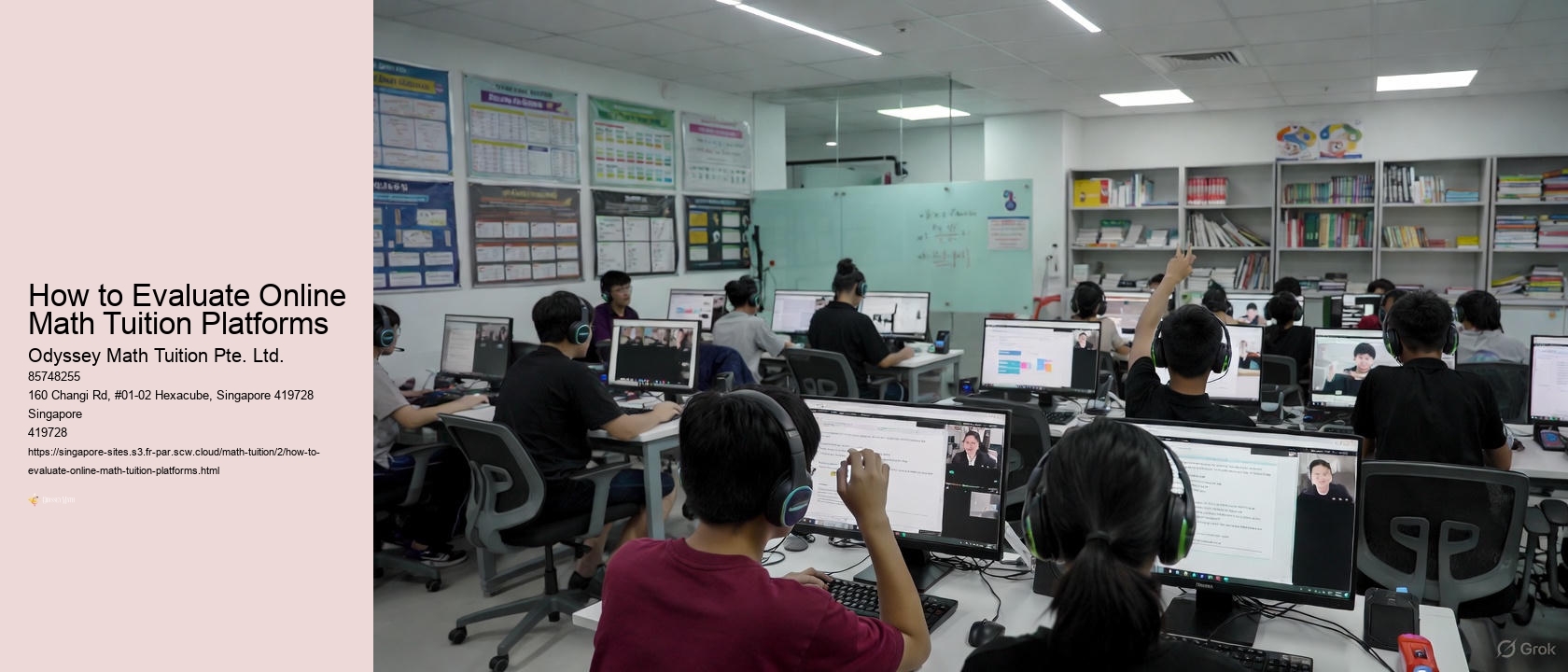
In this city-state's fierce junior college arena, JC 1 students frequently face a significant jump in mathematical rigor, incorporating topics including functions, calculus, and statistics that require thorough practice and conceptual profundity. This shift year is pivotal for establishing the base needed to excel in A-Level preparations during growing academic demands. In this rigorous realm of this nation’s A-Level curriculum, learners following science or engineering paths commonly struggle with the intensified demands of complex mathematical concepts that blend pure mathematics with statistics and mechanics. As they navigate this strict pathway, developing a strong conceptual foundation becomes imperative to address university-level preparations and competitive exams. Tailored to these demands, H2 math tuition delivers specialist sessions that simplify challenging topics such as vectors, complex numbers, and differential equations through methodical guidance and practical applications. Educators employ innovative tools, like graphical software and scenario-based problems, to boost engagement and retention. This all-encompassing support ultimately empowers students to secure top grades, nurtures independent thinking, and paves the way for distinguished academic and career opportunities.. To efficiently bridge these difficulties and cultivate mastery, JC 1 math tuition delivers tailored programs directed by expert educators who conform closely with the MOE syllabus. Through interactive workshops, focused problem sets, and immediate progress tracking, learners can address doubts and refine techniques efficiently. In the end, this structured support enhances exam readiness, strengthens analytical abilities, and enables students for ongoing success in STEM disciplines..Consider factors such as the platforms curriculum alignment with local exams, the qualifications of tutors, availability of personalized lessons, and user reviews.
These platforms offer targeted practice, exam strategies, and personalized feedback to help students understand key concepts and excel in exams.
Yes, they provide specialized resources and experienced tutors who can cater to the unique needs of IP and IB students, enhancing their understanding of advanced topics.
Parents should look for platforms offering progress tracking, interactive lessons, and flexible scheduling to suit their childs learning pace and style.
Tutors assess the students strengths and weaknesses and tailor lessons to focus on areas needing improvement, ensuring a customized learning experience.
Many platforms offer real-time feedback through interactive sessions and instant grading of assignments, which helps students learn more effectively.
Benefits include convenience, access to a wider range of resources, flexible scheduling, and often lower costs than traditional in-person tutoring.
Platforms often require tutors to have relevant qualifications and experience, and they may conduct interviews and regular performance evaluations.
Many platforms offer free or discounted trial sessions, allowing students and parents to evaluate the service before committing to a subscription.