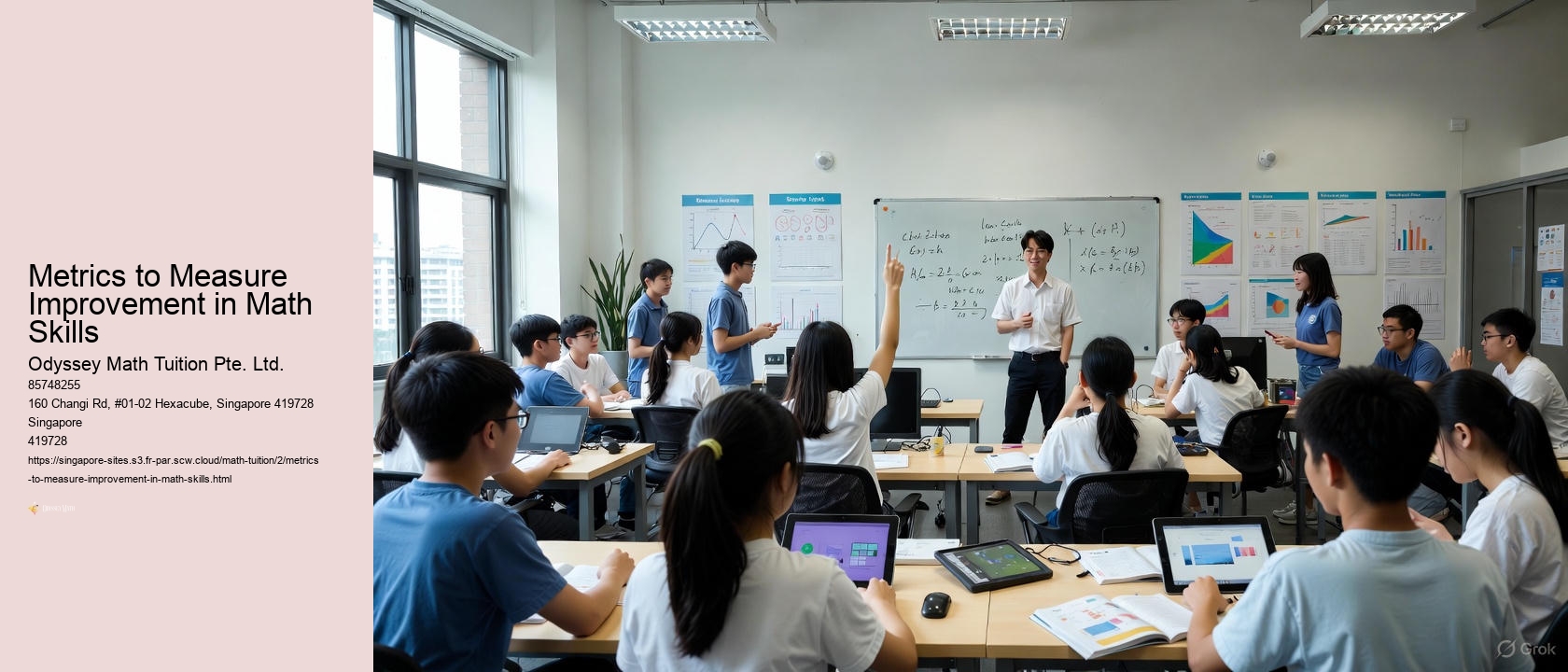
In Singapore's rigorous education system, the transition to secondary school marks a significant milestone for students, particularly in mathematics. Secondary 1 introduces more abstract concepts like algebraic expressions, geometry basics, ratios, and number patterns, which can be challenging for many young learners adapting to a new academic environment. With the Ministry of Education (MOE) syllabus emphasizing critical thinking and problem-solving, secondary 1 math tuition has become essential for bridging gaps, boosting confidence, and laying a solid groundwork for future success in exams like the O-Levels.
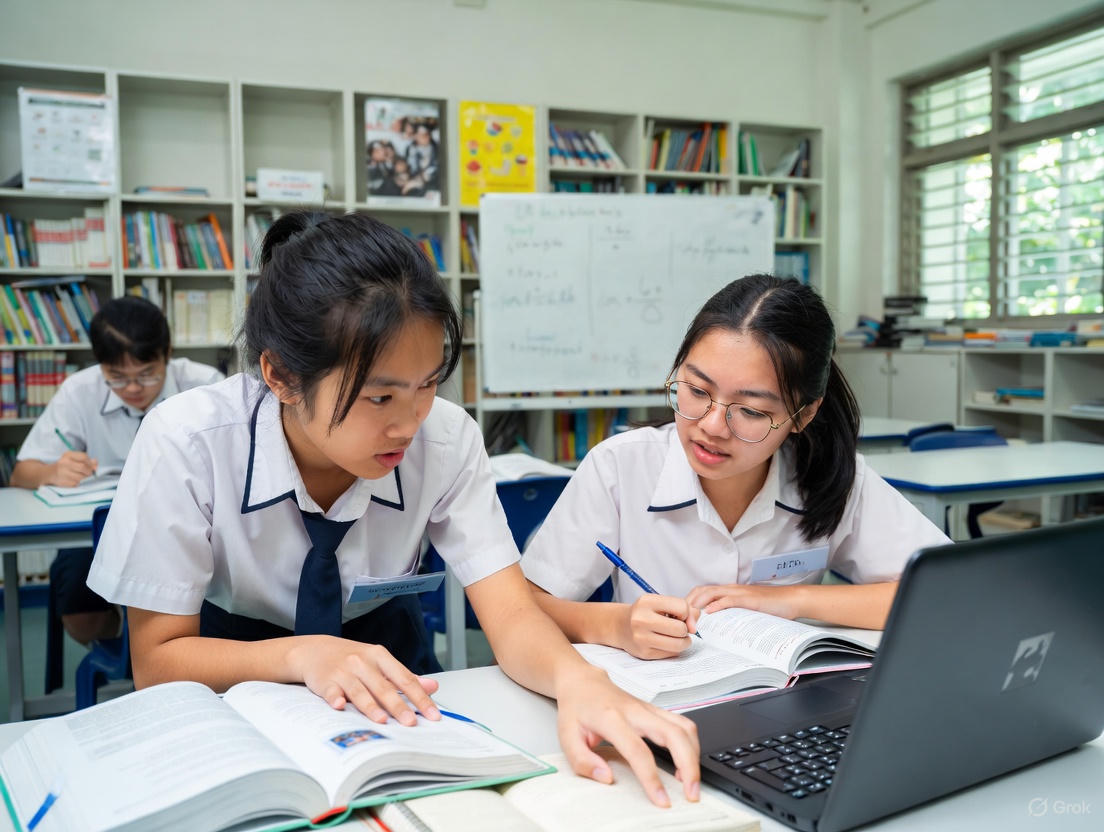
Students often face hurdles such as faster-paced lessons and increased independence in learning, leading to potential frustrations if foundational skills from primary school aren't reinforced. Quality tuition programs address these by offering personalized guidance, small class sizes, and interactive methods that make math engaging rather than intimidating. For instance, effective sec 1 math classes in Singapore integrate real-world applications, gamified elements, and adaptive technologies to help concepts "click," turning mistakes into valuable lessons and celebrating incremental progress.
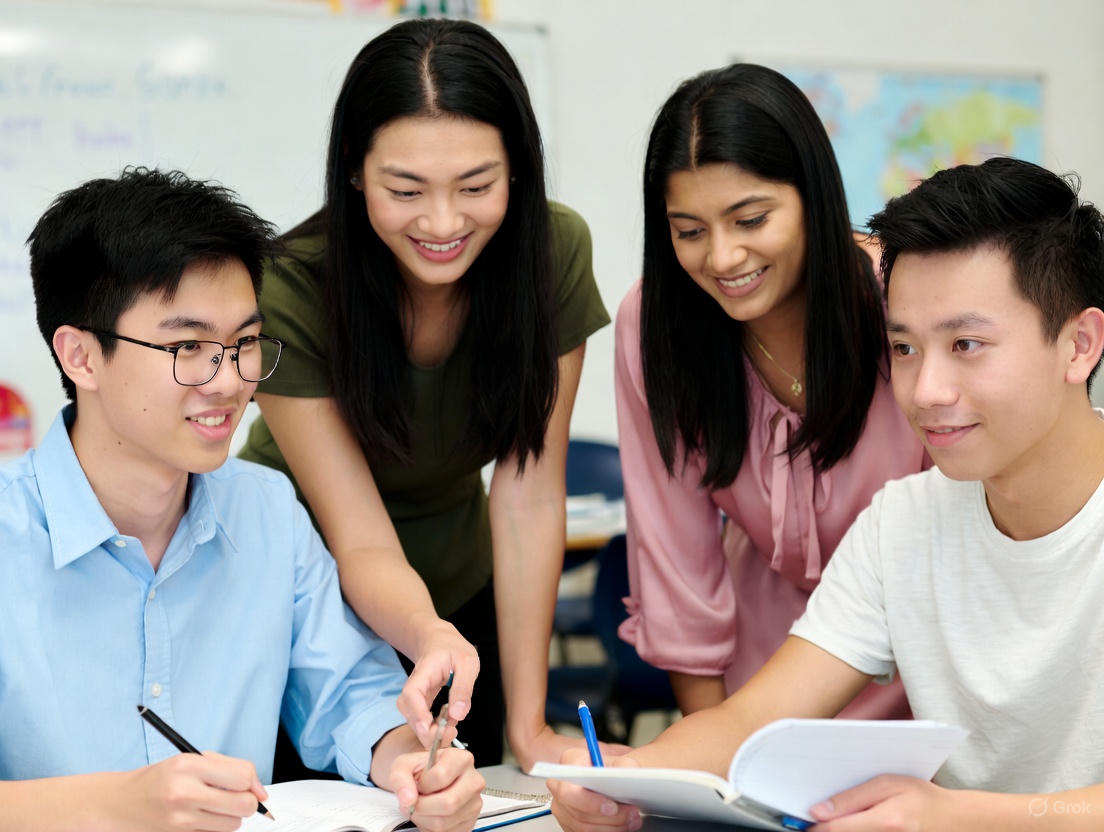
One standout approach is combining traditional tutoring with modern e-learning portals, providing 24/7 access to resources like video tutorials, quizzes, and simulated exams. Navigating the evolving expectations of this island nation's secondary school curriculum might be overwhelming for youngsters, particularly as they dive deeper into subjects that build on foundational knowledge. In Secondary 2, learners regularly meet more rigorous concepts such as quadratic equations, coordinate geometry, and statistical analysis, which necessitate improved problem-solving proficiencies. To assist this pivotal period and avoid learning gaps from growing, secondary 2 math tuition provides customized coaching from qualified tutors who focus on conceptual clarity and exam techniques. Through cozy classes, engaging activities, and regular assessments, pupils acquire the strategies to address challenges adeptly. In the Singaporean stringent secondary education system, learners frequently discover themselves grappling with intensifying academic pressures as they progress through the levels, particularly in disciplines that require strong logical and analytical foundations. By Secondary 3, the curriculum unveils more advanced topics including trigonometry, matrices, and advanced algebraic manipulations, which can present significant barriers without adequate support. Meeting these demands efficiently, secondary 3 math tuition equips learners with knowledgeable strategies to grasp these concepts through dedicated practice and straightforward explanations. Tutors apply customizable teaching strategies, such as digital tools and peer collaborations, to accommodate different learning styles and strengthen exam confidence. In the end, this focused guidance helps students in reaching higher grades, alleviates stress, and lays a sturdy foundation for O-Level preparations and beyond.. In this city-state's competitive pre-university landscape, JC 1 students commonly face a significant increase in mathematical sophistication, presenting topics for instance functions, calculus, and statistics that require intensive practice and conceptual understanding. This bridging year is pivotal for laying the foundation vital to thrive in A-Level preparations among rising academic pressures. To adeptly tackle these hurdles and promote mastery, JC 1 math tuition provides bespoke offerings directed by seasoned educators who adhere closely with the MOE syllabus. Through engaging workshops, specific problem sets, and instant progress tracking, learners can clarify doubts and hone techniques promptly. In our current demanding academic environment within Singapore, numerous students often encounter difficulties meeting the strict requirements of the local curriculum, notably in fields that involve strong logical reasoning and problem-solving skills. Therefore, parents are eagerly opting for specialized assistance to assist their kids in gaining poise and achieving higher academic results. When it comes to mastering challenging topics such as algebra and calculus, singapore math tuition delivers customized programs that adapt to individual learning speeds and approaches. Seasoned tutors employ creative strategies, such as real-world applications and interactive activities, to transform the subject both captivating and efficient. Ultimately, this investment doesn't just boosting test outcomes but also fosters a enduring love for mathematics, equipping students for ongoing achievements in science, technology, engineering, and math careers.. Finally, this coherent support enhances exam readiness, enhances analytical capabilities, and empowers students for long-term success in STEM pursuits.. This proactive methodology not only enhances academic performance but also nurtures analytical thinking skills essential for higher education and beyond.. This hybrid model, aligned with the MOE curriculum, allows flexible, self-paced revision while tutors offer expert insights during sessions. Parents appreciate how such lower secondary math tuition not only improves grades—often by 20% or more through consistent practice—but also fosters lifelong skills like time management and analytical thinking. As students in the Lion City experience the pivotal change from primary to secondary schooling, they commonly confront a steeper learning path with fresh subjects and increased independence in learning. This transition can be particularly challenging in mathematics, where foundational ideas develop into more abstract notions including algebra and geometry. To ease this adjustment and lay a robust base for ongoing success, secondary 1 math tuition offers structured support through seasoned educators who emphasize building core abilities and confidence. Interactive classes incorporate practical examples and specific practices to clarify uncertainties and strengthen grasp. As students in this vibrant nation brace for the demanding A-Level examinations, they frequently confront sophisticated concepts including advanced calculus, complex numbers, and probability distributions that call for exact problem-solving and comprehensive insight to excel. This last pre-university year heightens the necessity for tactical bolstering to unify knowledge and overcome exam-specific difficulties efficiently. Addressing these high-stakes expectations, JC 2 math tuition offers focused, syllabus-aligned lessons led by expert tutors who employ tested techniques like conceptual breakdowns and intense practice drills. Learners gain from individualized feedback, joint problem-solving, and entry to comprehensive resources, ensuring they grasp nuances and avoid common pitfalls. In essence, this professional guidance not only sharpens performance in exams but also cultivates critical thinking skills vital for university-level learning and professional paths.. All in all, this specialized assistance assists young pupils adjust smoothly, thrive in assessments, and develop a positive outlook toward academic challenges ahead.. As evidenced by various programs, students benefit from immediate feedback, peer collaboration, and parental involvement in tracking progress.
To explore top options, consider resources on best secondary 1 math tutors, affordable sec 1 math tuition Singapore, online secondary math classes, MOE-aligned sec 1 math programs, effective lower sec math tuition centers, sec 1 math tuition for beginners, personalized secondary 1 math coaching, hybrid sec 1 math learning Singapore, interactive math tuition for sec 1, top-rated secondary math tutors, sec 1 math exam preparation, small group sec 1 math tuition, e-learning enhanced math classes, affordable online sec 1 math support, proven secondary 1 math strategies, and comprehensive sec 1 math resources. These tailored solutions ensure students not only excel academically but also develop a genuine appreciation for mathematics, setting them up for long-term achievements in an AI-driven world.
In the Singaporean vibrant learning framework, where ingenuity and excellence fuel student results, institutions and tutors consistently adjust to national standards to guarantee comprehensive learning journeys. The key authority directing these endeavors is the MOE which develops curricula emphasizing critical thinking, creativity, and enduring skills across all fields. By following its guidelines, mentors can establish favorable environments that foster young minds efficiently. This harmony not only boosts academic performance but also readies students for practical scenarios, fostering a generation prepared to confront global challenges..Effective metrics include progress in math test scores, completion and accuracy of practice exercises, and improvement in problem-solving speed.
Parents can track math progress by reviewing homework, monitoring quiz and test results, and using online platforms that offer progress reports and analytics.
Math competitions provide a benchmark for students to gauge their skills against peers, offering insights into their strengths and areas needing improvement.
Tutoring provides personalized learning, targeted practice, and strategies that align with curriculum goals, helping to improve understanding and performance in math.
Feedback helps identify specific areas of strength and weakness, guiding students to focus on areas that need more practice and understanding.
Yes, technology such as educational apps and online assessments can provide immediate feedback and track progress over time.
Consistent practice helps reinforce concepts, improve problem-solving speed, and build confidence in tackling various math problems.
Effective exam preparation strategies, like timed practice tests, help students manage exam stress, improve time management, and enhance overall performance.
Setting specific goals helps students focus their efforts, track their progress, and stay motivated to improve their math skills.
Math enrichment programs often use pre- and post-assessments to measure student progress and tailor instruction to meet individual learning needs.